
The Fish Oil Fallacy: Why Omega-3s Aren’t the Solution for Your Dog’s Itchy Skin
- By Dr Heidi Schroeder BVSc MMedVet(Med) Small Animal Specialist Physician with special interest in Dermatology
Canine atopic dermatitis is the most common skin condition in dogs around the world. It is a condition where a dog’s skin becomes itchy and inflamed, and is caused by a combination of genetic factors (like inherited traits) and environmental influences (like pollen or dust). This condition is associated with a disruption of the skin’s natural barrier, making it more vulnerable to irritants and infections.

Symptoms and the Itch-Scratch Cycle
The main signs of this condition are itchiness and skin inflammation. When a dog feels itchy, it scratches, which can damage the skin even more. This scratching releases certain substances that make the itch worse, creating a cycle known as the “Itch-Scratch-Itch Cycle.” Stopping the itch is therefore crucial because it helps reduce inflammation and makes the dog feel better.
Treatment Options
Initial treatment plan:
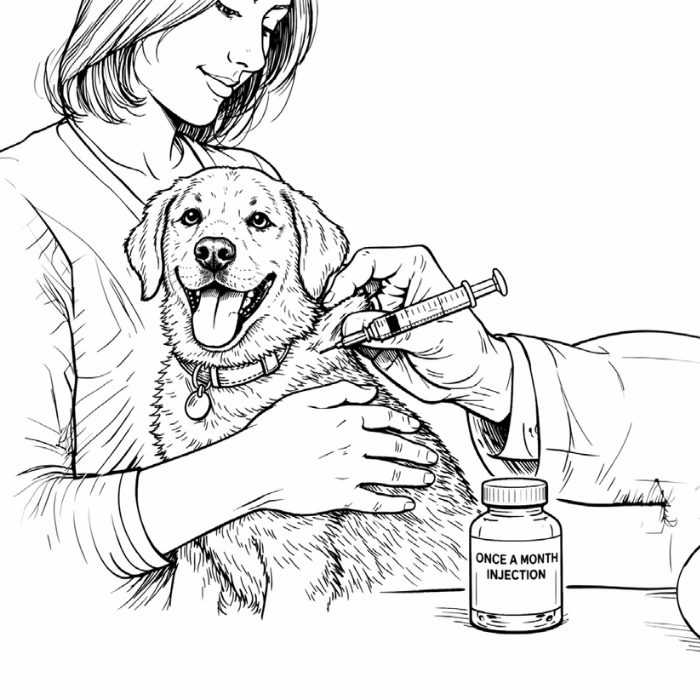
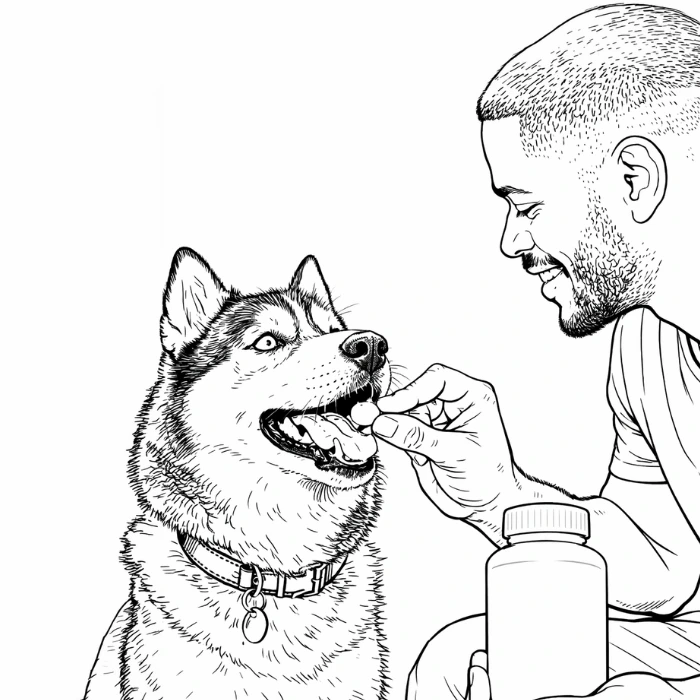
For immediate relief initially and during sudden flare-ups, it is important to find out what triggered the itching (like fleas, skin infections, pollen or certain foods) and treat it if possible. This can involve using special shampoos, wipes, tick and flea products, antibiotics and always medications like corticosteroids, or the once-a-day chewable tablet or once-a-month injectable medication to reduce itchiness and inflammation. Cortisone should never be used for long term control of allergies as it has several side effects when used long term. These include weight gain, liver failure, diabetes and a compromised immune system.Long-term treatment plan
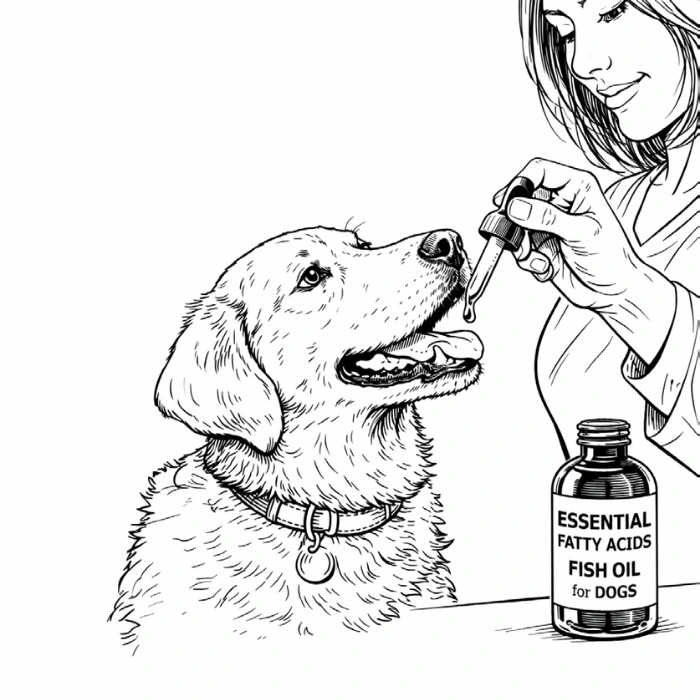
This entails avoiding, triggers (like fleas, skin infections and identified food and environmental allergens), restoring the skin’s barrier (using products with lipids or essential fatty acids), and continuing using medications that control itchiness and inflammation as prescribed by your veterinarian like the once-a-day chewable tablet or the once-a-month injectable medication.
Medications Explained
This is a fast-acting medication that quickly stops itching and helps control skin inflammation. It works within 4 hours and is a primary treatment for this skin condition.
Summary & Conclusion
Summary: In short, ask your vet about the quick and effective medications for managing the symptoms of the initial and sudden flare-ups as well as the ongoing symptoms of canine atopic dermatitis. Fish oil can provide some additional benefits but is not a substitute for these medications. Using fish oil along the prescribed registered treatments can help improve overall results, but it’s not as effective on its own.
Conclusion: To effectively manage Canine Atopic Dermatitis, it is best to use a combination of fast-acting veterinary prescription medicinal products and supportive supplements like fish oil, ensuring that the dog gets the relief it needs while also addressing the associated skin issues.